
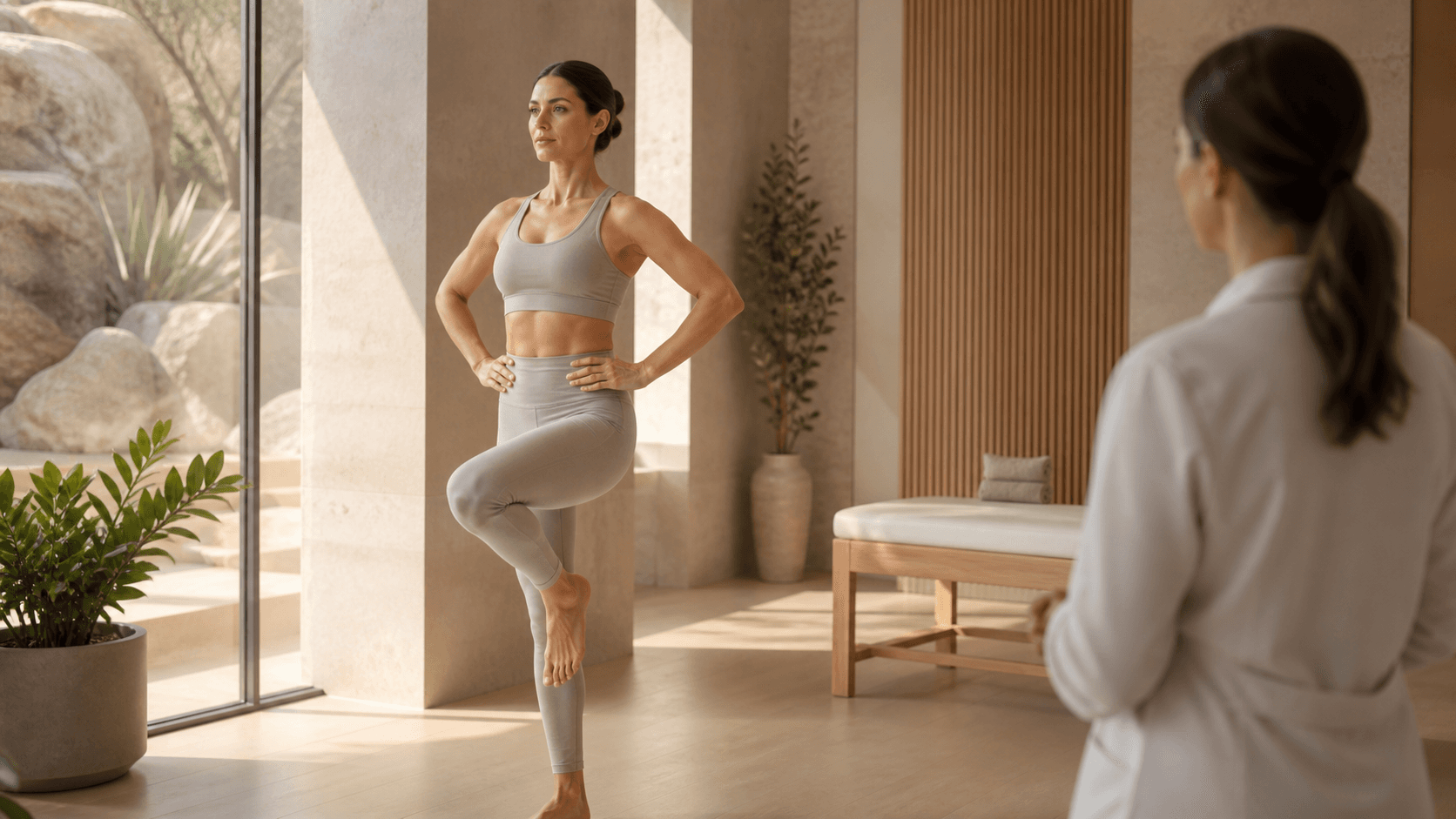
Build a Stronger Foundation for Everyday Movement
Your core and pelvic floor work as a team every day, whether you are getting out of a chair, carrying shopping bags or taking a deep breath. When that teamwork is disrupted, simple activities can feel less comfortable or less predictable.
Spring in Melbourne often brings a return to longer walks, gardening, golf, gym sessions and higher-impact exercise. For some people, that change in activity can bring leakage, pelvic heaviness, back discomfort or a loss of confidence. Understanding how these muscles work together can help you recognise when clinical support may be worthwhile.
Understand the Core-Pelvic Floor Connection
The pelvic floor is a group of muscles at the base of the pelvis. These muscles help support the pelvic organs and contribute to bladder and bowel control. They are part of the wider "core", rather than a separate system working alone.
Healthy pelvic floor function is not simply about being strong or constantly tight. These muscles need to contract when support is required, then relax when the body needs to empty the bladder or bowel, breathe deeply or move freely. A pelvic floor that is overactive or poorly coordinated may cause symptoms too.
Your wider core includes several muscle groups working together:
- The diaphragm, which moves with breathing
- Deep abdominal muscles, which help manage pressure and trunk control
- Back muscles, which assist spinal support during movement
- Hip muscles, which help provide stability and load control
When you breathe, cough, lift, bend or exercise, pressure changes inside the abdomen. Ideally, the diaphragm, abdominal wall and pelvic floor respond in a coordinated way. This helps your body manage load without unnecessary strain.
Poor timing, reduced strength, deconditioning or too much muscle tension can affect this response. That does not mean there is one simple cause, or that more pelvic floor squeezing is always the answer. We look at the whole pattern of movement, symptoms and health history when discussing core and pelvic floor function.
See How These Muscles Support Daily Tasks
Core and pelvic floor coordination matters in many ordinary moments. Rising from a chair needs trunk control and hip strength. Carrying groceries asks your body to manage pressure while you walk. Coughing or laughing creates a quick increase in pressure that the pelvic floor may need to respond to.
The goal is not to brace your stomach all day or hold a pelvic floor contraction constantly. Effective muscle function changes according to the task. You may need a brief response when lifting something heavy, followed by relaxation once the effort is over.
Daily life can place different demands on this system, including:
- Climbing stairs, running or jumping
- Lifting children, bags or household items
- Coughing, sneezing and laughing
- Sitting for long periods, then moving quickly
- Returning to exercise after a period of reduced activity
Pregnancy, childbirth, menopause, prostate surgery, ageing and reduced activity can all influence pelvic floor coordination and load tolerance. Persistent coughing, constipation, pain and long periods of sitting may also play a role.
These changes are common, but they are still worth discussing when they affect comfort, continence, exercise or confidence. We often see people who have quietly adjusted their routine around symptoms for a long time. Reducing activity may feel like the easiest option, but it can also lead to further deconditioning over time.
Recognise Signs That Merit a Clinical Review
Bladder, bowel, pelvic and back symptoms can have many causes. While altered muscle function may be part of the picture, it is not appropriate to assume every symptom is due to "weakness".
A clinical review may be helpful if you notice:
- Urinary leakage when coughing, laughing, lifting or exercising
- Strong urgency or needing to pass urine more often than usual
- Difficulty emptying the bladder
- Pelvic heaviness, pressure or a sense of dragging
- Ongoing pelvic, hip or lower back discomfort that affects movement
- Reduced confidence with exercise, work or social activities
Some people have pelvic floor muscles that are underactive. Others have muscles that are overactive, tense or not relaxing well. In those situations, repeatedly squeezing the pelvic floor may not be appropriate and could fail to address the underlying issue.
New, unexplained, worsening or distressing bladder, bowel, pelvic or back symptoms should be medically assessed. Non-invasive muscle stimulation is not a replacement for investigating symptoms that may need medical care. A thoughtful assessment helps us consider your symptoms, medical history, movement goals and any factors that may be contributing.
Consider a Personalised Path to Better Function
The most suitable plan depends on the person. First-line care may include medical assessment, pelvic health physiotherapy, tailored exercise, bladder and bowel habit strategies, rehabilitation and management of contributing health factors.
For selected patients, clinically guided core and pelvic floor treatment in Melbourne may also include technology designed to support muscle activation and training. EMSELLA uses high-intensity focused electromagnetic stimulation, also known as HIFEM, to activate pelvic floor muscles. It may be considered as part of a broader plan, particularly where conventional muscle activation is difficult, but it is not a cure for incontinence or a substitute for assessment.
Our doctor-led approach at 1EM includes discussing suitability, expected limitations and the role technology may play alongside other forms of care. We do not treat pelvic health as a one-muscle problem. Pelvic floor function may be affected by movement patterns, physical conditioning, bladder habits, pain, surgery, hormonal changes and broader health factors.
Where relevant, we may also use tools such as ShapeScale to visualise body composition and physical changes over time. This type of 3D progress tracking can help create a clearer picture than weight alone, but it is not diagnostic and cannot prove that a particular treatment caused a change.
Take the Next Step with Confidence
Healthy core and pelvic floor function can support continence, comfort, movement and confidence, but improvement is rarely about one exercise, one muscle or one treatment. The right approach starts with understanding what your body is doing during daily life and what may be getting in the way.
If symptoms are limiting your activity, work, social life or willingness to return to higher-impact exercise this spring, professional guidance can help clarify the next appropriate step. A careful assessment can make space for a plan that matches your symptoms, goals and medical needs.
Support for More Confident Movement
At 1EM, we consider how pelvic floor function, core control and everyday movement fit together, rather than treating symptoms in isolation. Learn about our core and pelvic floor treatment in Melbourne and the options that may support your individual needs. If you would like to discuss an assessment, contact us to arrange a suitable time.