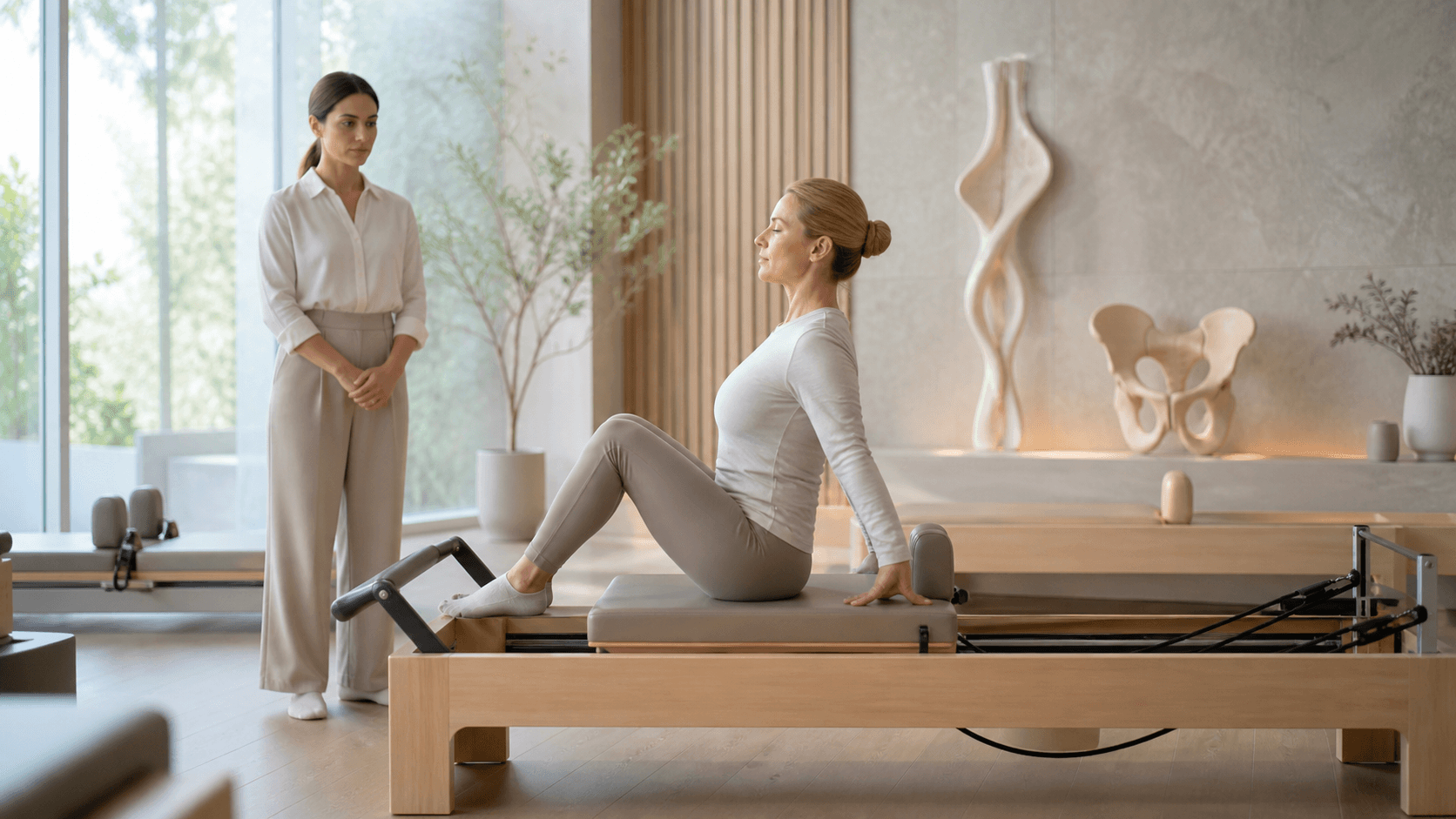
Choose the Right Support for Your Pelvic Floor
EMSELLA and pelvic floor physiotherapy are not direct substitutes. The right approach depends on your symptoms, how your pelvic floor muscles are working, your medical history, your goals and how able you are to take part in active rehabilitation.
In many cases, we see pelvic floor physiotherapy as the more comprehensive starting point because it assesses the cause of the problem and builds a tailored plan over time. EMSELLA may be useful as an adjunct for selected people, particularly when finding or voluntarily activating the pelvic floor is difficult. During Melbourne's winter months, coughing with colds and reduced activity can make stress urinary leakage more noticeable, but symptoms deserve attention at any time of year.
Emsella Vs Pelvic Floor Physiotherapy: Key Differences
Pelvic floor physiotherapy is a clinician-guided process, not simply a set of exercises. A pelvic health physiotherapist may assess muscle strength, endurance, relaxation and coordination, as well as breathing, core function, mobility, bladder and bowel habits, and lifestyle factors that may affect symptoms. Treatment can include tailored pelvic floor muscle training, bladder training, education and a graded return to activities that matter to you.
EMSELLA is a non-invasive treatment that uses high-intensity focused electromagnetic stimulation, often called HIFEM, to trigger repeated pelvic floor muscle contractions while you sit fully clothed in a treatment chair. It does not provide the same individual assessment, hands-on guidance or behavioural support that physiotherapy can provide.
A simple way we explain the difference is:
- Physiotherapy begins with assessment and can adapt as your symptoms and function change.
- EMSELLA provides device-led muscle stimulation during a seated session.
- Physiotherapy requires active learning and home practice, while EMSELLA is passive during treatment.
- Both may sit within a broader plan, depending on your needs and clinical suitability.
Results vary with either option. Neither should replace medical investigation when symptoms are new, unexplained or getting worse.
When Pelvic Floor Physiotherapy May Be the Better Fit
Active rehabilitation is often central to pelvic health care. Physiotherapy may be particularly helpful for stress, urge or mixed urinary incontinence, pelvic pain, prolapse symptoms, postpartum recovery, return to exercise, constipation linked with pelvic floor coordination, and rehabilitation after prostate treatment.
A pelvic floor does not always need more strengthening. Sometimes the muscles are overactive, poorly coordinated or unable to relax properly. In those cases, repeated contractions alone may not address the underlying issue and could be unhelpful. This is one reason an individual assessment matters.
With physiotherapy, we can help you understand the technique rather than simply telling you to "do Kegels". Care may also address pressure management during coughing, lifting and exercise, breathing patterns, toileting habits, confidence with movement and a realistic home program. Australian and international continence guidance commonly recommends supervised pelvic floor muscle training as first-line care for many forms of urinary incontinence.
Physiotherapy may be especially useful when you need help to:
- identify whether your pelvic floor is weak, tense or poorly coordinated
- learn how to contract and relax the muscles correctly
- manage urgency, bladder habits or bowel symptoms
- return to running, gym exercise, lifting or everyday activities with more confidence
- build skills that can be maintained beyond a course of treatment
When Emsella May Support Pelvic Floor Rehabilitation
EMSELLA may be considered when additional pelvic floor muscle stimulation is clinically appropriate. Some people struggle to identify their pelvic floor muscles or produce a voluntary contraction, even after clear instruction. Others may have low confidence with exercises or may benefit from device-led stimulation alongside an active rehabilitation plan.
The treatment experience is straightforward: you remain seated and fully clothed while the chair delivers electromagnetic stimulation designed to create repeated pelvic floor contractions. That passive element can appeal to people who find conventional exercises difficult to begin with.
Still, long-term pelvic health often relies on more than muscle stimulation. We generally consider bladder and bowel habits, physical activity, movement patterns, body composition goals where relevant, and medical conditions that may contribute to symptoms. EMSELLA is not a cure for urinary incontinence, erectile dysfunction, prostate disease or pelvic organ prolapse.
HIFEM technologies have been studied for urinary incontinence and pelvic floor muscle function. However, the quality of studies, treatment protocols and participant groups vary. For that reason, we take a measured approach: it may help selected people, but it is not the right treatment for every cause of pelvic floor symptoms.
Combining Emsella and Physiotherapy When Appropriate
For some people, framing the choice as EMSELLA versus pelvic floor physiotherapy is too simple. A coordinated approach may be more suitable. Assessment can identify the likely drivers of symptoms, physiotherapy can provide education and active rehabilitation, and EMSELLA may be included as an adjunct where appropriate.
Progress should not be judged by one symptom alone. Depending on your concerns, we may look at changes in leakage episodes, pad use, urgency, confidence during exercise, muscle strength and coordination, and your ability to complete everyday activities. No single measure tells the full story, particularly when symptoms fluctuate with sleep, illness, activity levels or stress.
Before any non-invasive treatment, it is important to disclose relevant medical history. This includes implanted electronic devices, metal implants, pregnancy, recent procedures, neurological conditions and active pelvic symptoms. Medical review should come first for unexplained bleeding, pelvic pain, recurrent urinary tract infections, blood in the urine, sudden continence changes or new neurological symptoms.
Take the Next Step with a Proper Pelvic Health Assessment
Pelvic floor physiotherapy is often the foundation of care because it can identify what your pelvic floor is doing, not simply whether it feels weak. EMSELLA may have a place for selected people as part of a broader rehabilitation plan, especially when extra muscle stimulation is appropriate.
A careful assessment can help distinguish muscle weakness from overactivity, poor coordination or symptoms that need further medical investigation. Bladder leakage, urgency, postpartum changes and concerns after prostate treatment should be assessed rather than self-diagnosed from symptoms alone.
Clarify Your Best Next Step
At 1EM, we can discuss how Emsella vs pelvic floor physiotherapy may fit within a clinically considered pelvic health plan. Our doctor-led team considers your symptoms, goals and relevant medical history to help determine whether EMSELLA, physiotherapy or another pathway may be appropriate. To arrange a consultation, contact us and speak with our team.