A Safer Return to Strength After Time Away
Deconditioning is common after illness, injury, surgery, pregnancy, long periods of desk work, caregiving demands or a less active Melbourne winter. It simply means your body has become less used to movement. Muscle strength, endurance, balance, coordination and confidence can all dip when activity changes.
You might notice it when climbing stairs feels harder, groceries seem heavier or getting up from a chair takes more effort than it once did. The safest response is rarely to "make up" for lost fitness with hard sessions. We find a gradual, clinically guided plan is usually more helpful because it starts with where your body is now, not where you think it should be.
For selected people, EMSculpt NEO may have a place alongside a broader strengthening plan. It is not a replacement for exercise, nutrition, physiotherapy or medical care. Suitability depends on what caused the deconditioning, your symptoms, medical history and the everyday activities you want to return to.
Why a Quick Restart Can Miss the Bigger Picture
When activity reduces, muscles can lose conditioning and aerobic fitness may decline. Movements that used to feel automatic can feel tiring, awkward or uncomfortable. Confidence may fall too, which can lead you to move less, creating a cycle that is difficult to break without the right support.
Deconditioning is not always the same as being "unfit". Pain, persistent fatigue, weakness, frequent falls, breathlessness or unexplained changes in weight and function may need medical assessment before you begin a new exercise or device-based program. We take these concerns seriously because a body treatment should never be used to explain away symptoms that need investigation.
The reason for your time away from activity matters. Recovery after hospitalisation, surgery or injury may need a different pathway from postpartum recovery, age-related strength loss or a gradual reduction in movement. New bladder or bowel changes, pelvic pain, blood in urine, neurological symptoms or severe shortness of breath should not be self-managed as a simple strength issue.
The Building Blocks of Rehabilitation
A good rehabilitation plan has a clear starting point and a realistic destination. Depending on your circumstances, we may recommend assessment by an appropriate doctor or physiotherapist before considering any technology-assisted support.
Most well-rounded plans include a combination of:
- Gradual resistance training to rebuild muscle capacity
- Aerobic activity where appropriate, such as walking or other tolerated movement
- Mobility work to support comfortable movement patterns
- Enough protein, energy intake and sleep to support recovery
- A pace of progression that matches your symptoms and function
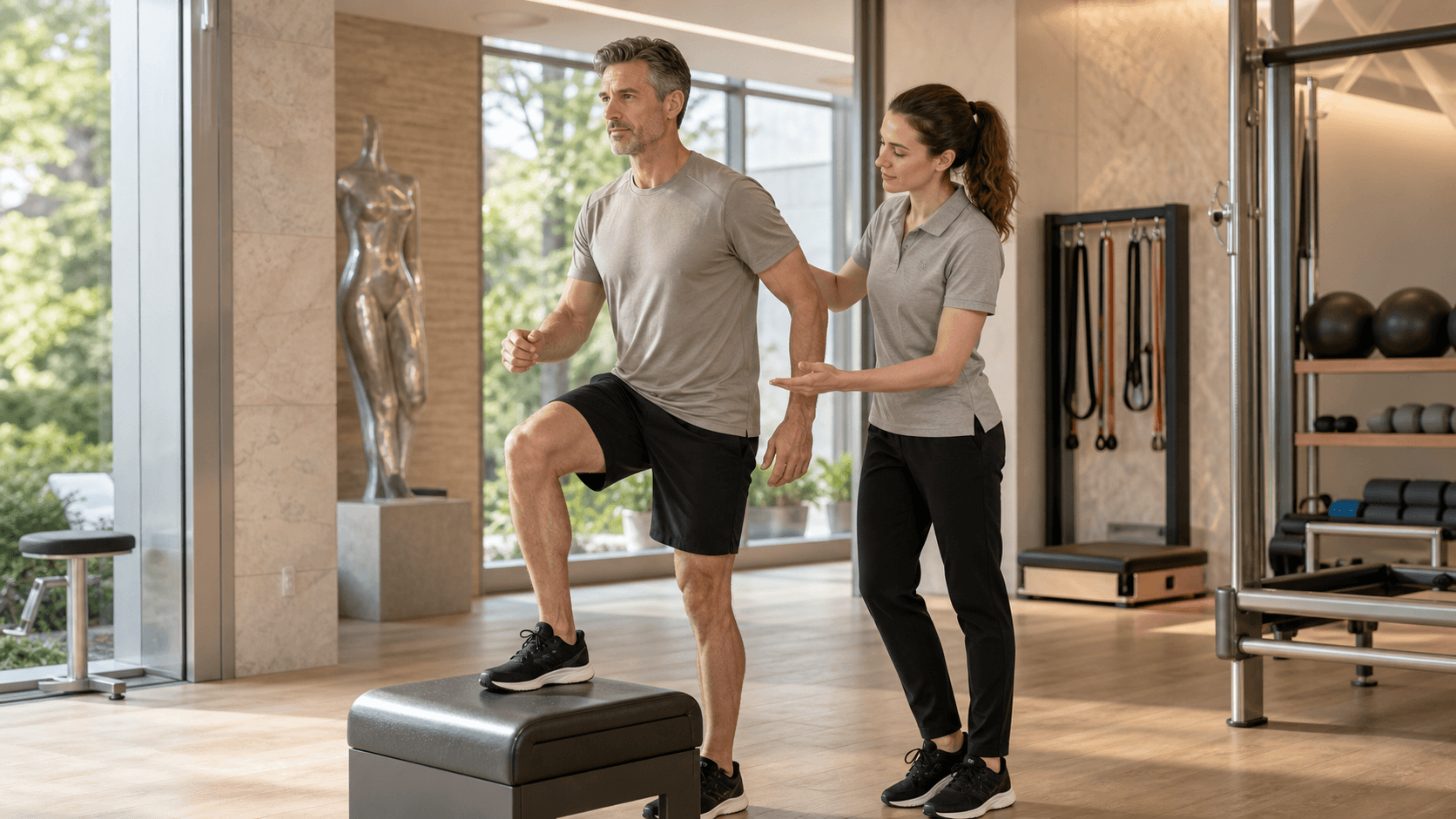
Progressive overload is the idea that muscles adapt when they are challenged appropriately over time. It does not mean pushing through pain or exhaustion. Early rehabilitation is often about movement quality, tolerance and consistency first. A modest plan that you can repeat safely is generally more useful than an intense plan that leaves you unable to continue.
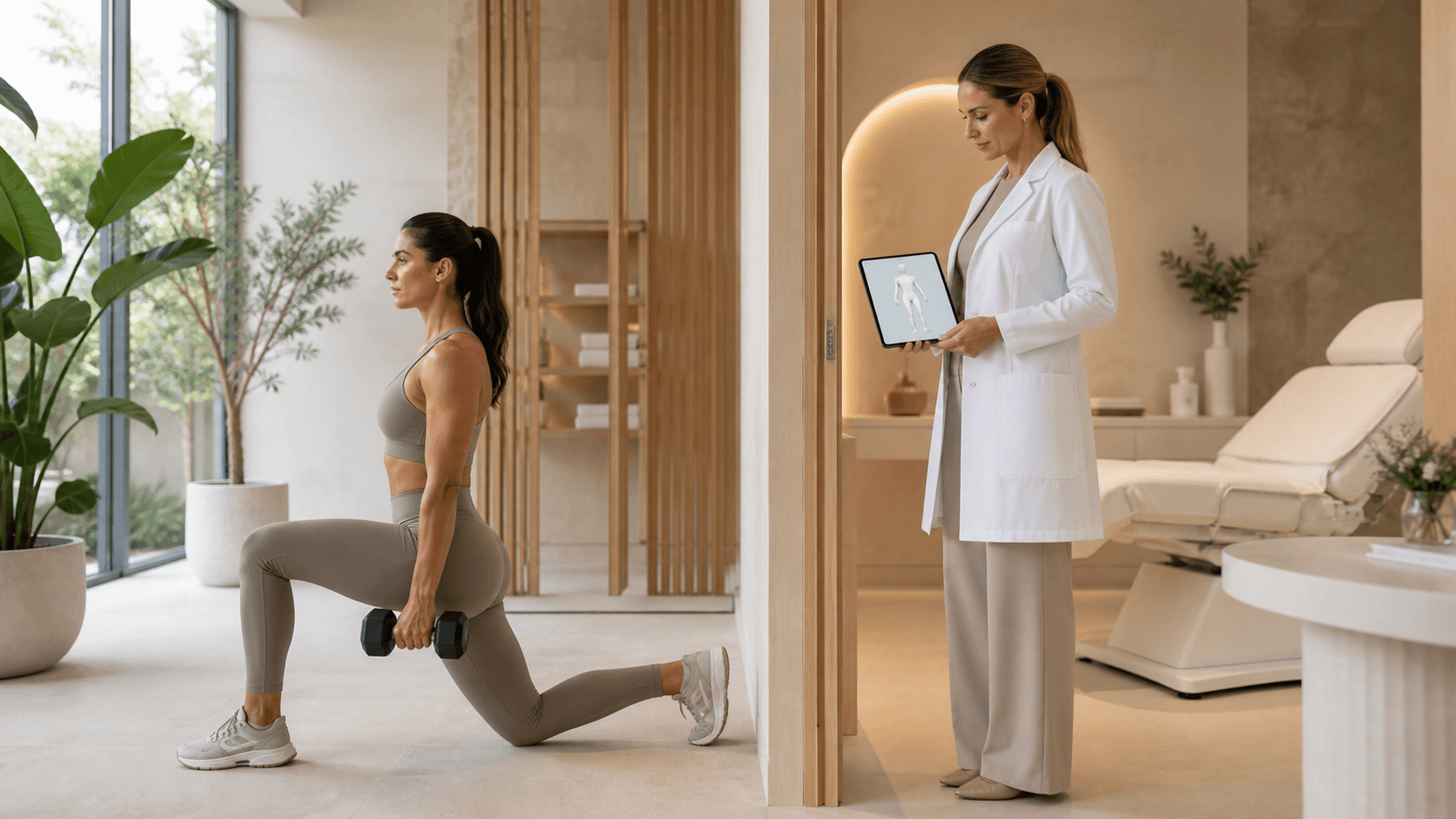
For people considering EMSculpt NEO rehabilitation in Melbourne, we encourage clear functional goals. You may want to feel more confident returning to strength training, reconnect with your core muscles or support a clinician-guided program after a less active period. These goals provide a more useful focus than chasing a single number on the scale.
Where EMSculpt NEO May Fit
EMSculpt NEO combines high-intensity focused electromagnetic stimulation, often called HIFEM, with radiofrequency energy. HIFEM is designed to stimulate strong muscle contractions, while radiofrequency provides controlled heating during treatment.
Those contractions can feel intense, but they are not identical to the strength gained through functional exercise. Everyday strength also depends on coordination, balance, joint movement, cardiovascular fitness and the ability to use muscles in real tasks. Carrying a bag, rising from the floor or walking uphill asks more of the body than contraction alone.
In a rehabilitation plan in Melbourne, EMSculpt NEO may be considered as an adjunct for appropriately screened people who are working on muscle activation and body composition goals alongside exercise, rehabilitation and lifestyle measures. Some people find it difficult to reconnect with particular muscle groups after inactivity, but that does not mean a device is the right answer for everyone.
It is important to separate related, but different, outcomes:
- Muscle stimulation is not the same as overall fitness
- Body contouring is not the same as weight loss
- A change in body composition does not automatically mean better function
- Rehabilitation still requires progressive movement, recovery and clinical guidance
Results vary. EMSculpt NEO should not be presented as a stand-alone rehabilitation program, a substitute for physiotherapy or a treatment for unexplained pain, weakness or chronic disease.
When a Different Clinical Pathway Is Needed
Screening matters before any rehabilitation program, including EMSculpt NEO. We consider your medical history, recent procedures, injuries, implanted devices, pregnancy status, medications, current symptoms and goals. Device-specific precautions and contraindications also need to be assessed by a qualified clinician.
Physiotherapy or specialist care may be a more appropriate first step if you have significant pain, post-operative restrictions, neurological symptoms, major balance concerns or complex continence issues. In these situations, a tailored assessment can help identify what is contributing to the problem before adding a muscle stimulation treatment.
Pelvic health deserves the same care. Urinary leakage, urgency, pelvic heaviness or post-prostate symptoms can relate to pelvic floor function, bladder habits, prostate history, medications and other factors. Muscle stimulation may form part of some care plans, but unexplained symptoms should be assessed rather than treated as a straightforward weakness problem.
Measure Progress Beyond the Bathroom Scale
Body weight is only one measure, and often an incomplete one during rehabilitation. You may move more comfortably, walk further, feel steadier on stairs or return to regular exercise without seeing a dramatic change in weight. Equally, weight change alone cannot show whether muscle function has improved.
We encourage progress measures that reflect your own starting point, such as:
- Confidence getting up from a chair
- Walking tolerance and stair climbing
- Comfort with everyday movement
- Consistency with a strengthening routine
- Returning to valued activities at home, work or outdoors
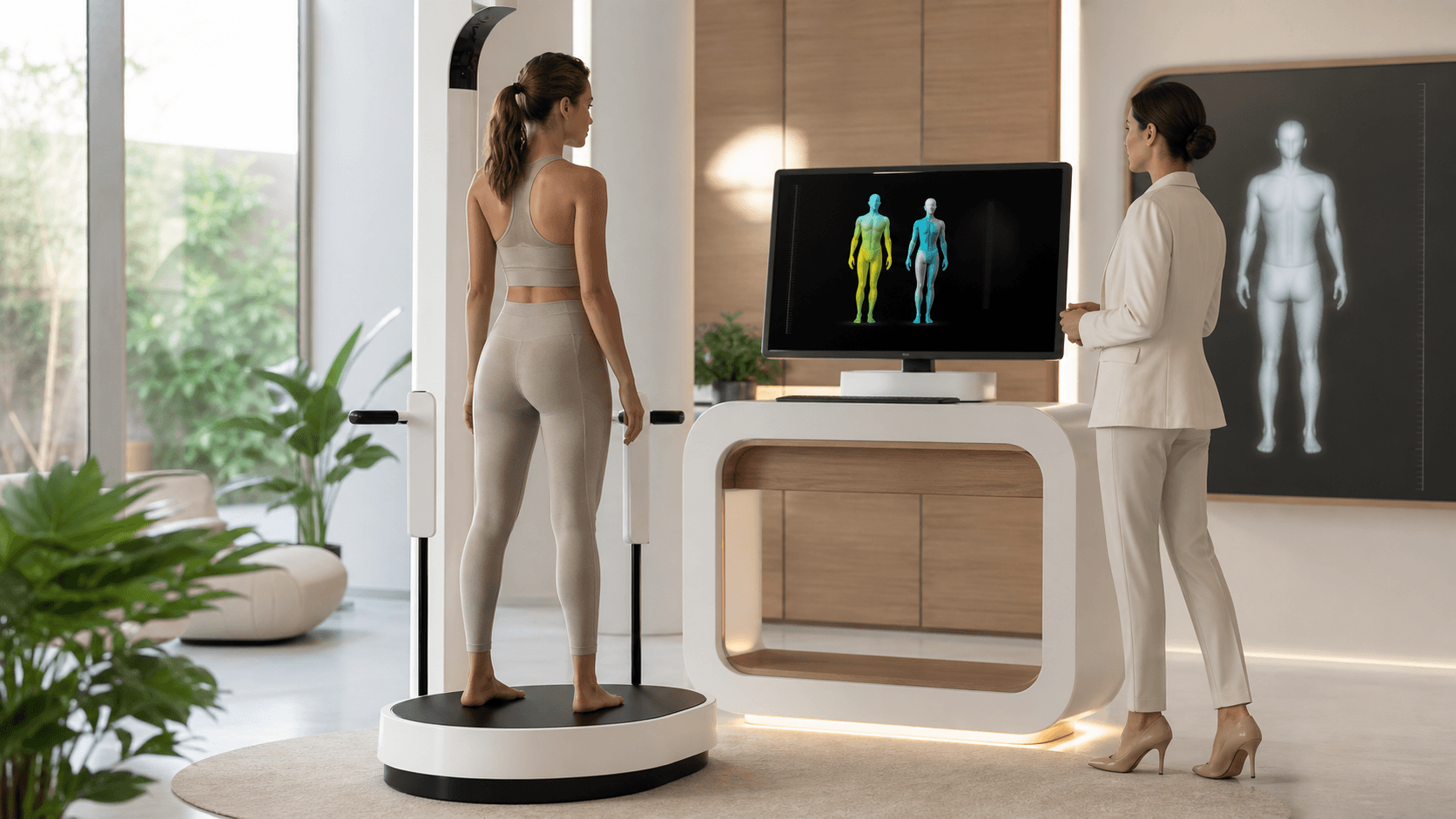
At 1EM, ShapeScale may be used as a visualisation and progress-tracking tool. Three-dimensional scans and measurements can help document changes over time, but they are not diagnostic and cannot prove that one treatment caused a particular result. We interpret tracking alongside clinical assessment, functional outcomes and the broader rehabilitation plan.
Spring can be a practical time to rebuild walking, strength and outdoor activity habits after winter. Start steadily, respect your current capacity and seek assessment when symptoms, recent illness, surgery or a complex health history make the path less clear. Lasting rehabilitation comes from consistent movement, progressive strengthening, recovery and the right level of clinical support.
Build A Clearer Rehabilitation Plan
At 1EM, our doctor-led team can help determine whether Emsculpt Neo rehabilitation in Melbourne may be an appropriate adjunct to your broader rehabilitation plan. We consider your health history, current function and goals, while keeping exercise, recovery and clinical care central to the process. If you would like to discuss your circumstances, contact us to arrange an assessment.